
AI Governance in 2019: A Year in Review – Observations of 50 Global Experts was launched in Shanghai on April 30
time:2020-05-01Associate Professor Guo Rui, Research Fellow of the Renmin Law and Technology Institute and Director of the Center for Social Responsibility and Governance, Renmin University of China, co-authored the English version of AI GOVERNANCE IN 2019: A YEAR IN REVIEW – OBSERVATIONS OF 50 GLOBAL EXPERTS alongside 50 leading global authorities in artificial intelligence. The report was launched in Shanghai on April 30. It marks the world’s first AI governance report jointly compiled by top industry experts worldwide, as well as the inaugural AI governance report initiated by a Chinese think tank with global collaborative participation. The other contributing experts cover 50 participants grouped into 44 teams, including Fu Ying, Director of the Center for International Security and Strategy of Tsinghua University; John Hopcroft, Turing Award Laureate; Irakli Beridze, Nobel Peace Prize Laureate; Eva Kaili, Member of the European Parliament; Yang Qiang, AAAI 2021 Conference Chair; and Francesca Rossi, AAAI 2020 Conference Chair.
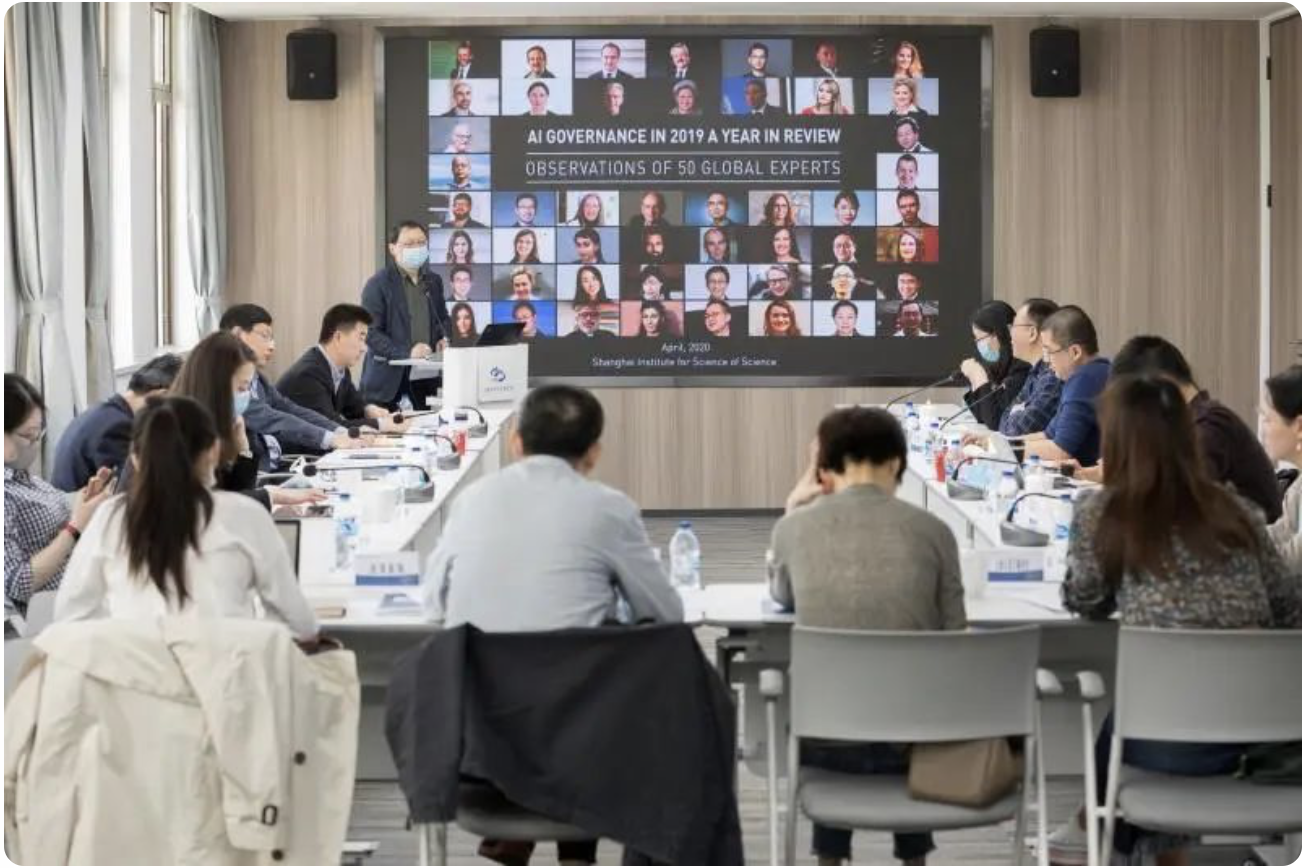
The report was led by a research team from the Shanghai Institute for Science of Science and completed jointly with international partners. Guided by the vision of a community with a shared future for mankind, it facilitates global communication and collaboration through worldwide contributors, editors and readership.
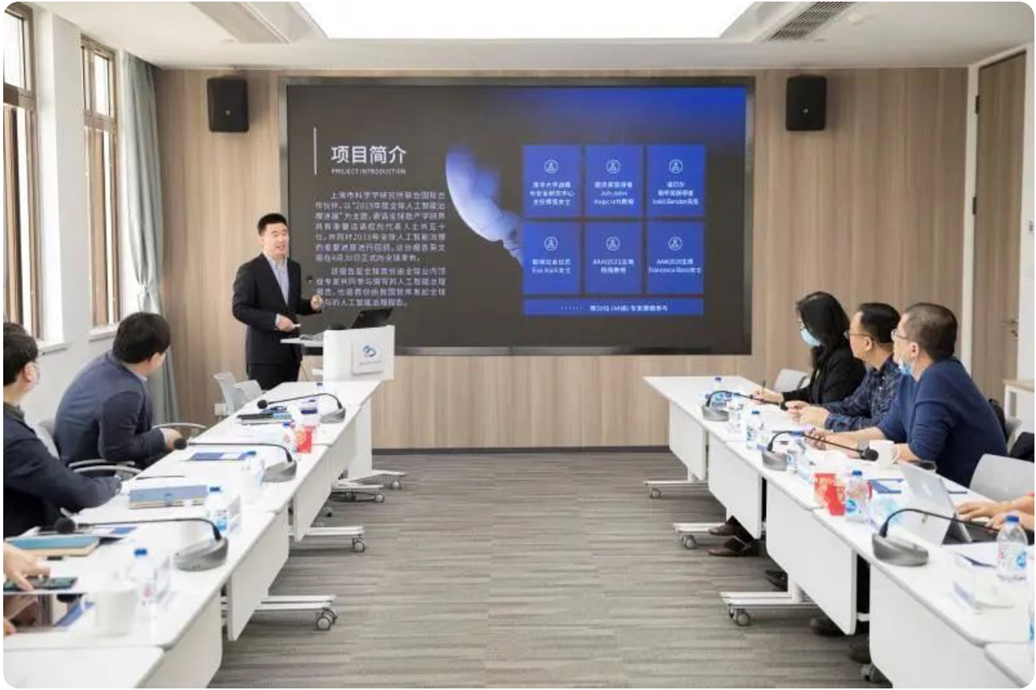
As the core organizer of this project, Associate Research Fellow Li Hui from the Shanghai Institute for Science of Science observed that in 2019, experts across humanities and social sciences including law, management, international relations and philosophy flocked to the field of artificial intelligence governance, establishing numerous dedicated institutions and putting forward abundant policy proposals. Such intellectual outputs will constitute fundamental ideological resources for global AI governance in the future.
Editor:Xu Liuya
Reviewer: Zhu Peiwen