
Academic Seminar on Law-Based Governance of Data Held Successfully
time:2019-06-28On the morning of June 24, the Academic Seminar on Law-Based Governance of Data, sponsored by the Renmin Law and Technology Institute, Renmin University of China, took place in Conference Room 725, Mingde Law Building, Renmin University of China. Around 20 representatives, senior experts and scholars from various universities, corporate think tanks and well-known research institutions participated in the seminar. The seminar centered on the draft versions of three regulatory documents: the Measures for the Administration of Data Security, the Provisions on the Online Protection of Minors’ Personal Information, and the Measures for the Security Assessment of Cross-border Transmission of Personal Information. Participants discussed topics such as information labeling, protection of minors’ personal information, and platform liability. The event consisted of five sessions in sequence: keynote speeches, public law discussions on data governance, private law discussions on data governance, roundtable exchanges with open floor comments, and closing summaries. The seminar was co-hosted by Associate Professor Zhang Jiyu, Executive Dean of the Renmin Law and Technology Institute, Renmin University of China, and Associate Professor Ding Xiaodong, Vice Dean of the Renmin Law and Technology Institute, Renmin University of China Law School.
Professor Wang Xixin, who serves as Professor of Peking University Law School, Executive Dean of the Institute of Law and Development, and Editor-in-Chief of Peking University Law Journal, delivered the opening keynote speech focusing on law-based governance of data. Professor Wang pointed out that the core issue of law-based data governance, in short, concerns how institutional arrangements that define the rights and obligations of all data governance actors and regulate their relational frameworks can conform to the demands of the rule of law. Three dimensions of legality deserve special attention in advancing law-based data governance: First, formal legality, which serves as the fundamental bottom line. Subordinate rules must not contradict superior laws. Second, systemic coherence, also referred to as systemic legality. The entire legal system governing data ought to maintain necessary internal consistency. Third, substantive legality, which centers on striking a balance between security and development. Security does not equate to rigid overprotection. Genuine cybersecurity does not mean isolating cyberspace; instead, it lies in building synergies between emerging enterprises and regulatory authorities. Such coordination can both safeguard the legitimate rights and interests of data subjects and maximize national interests and social welfare. The inherent logical prerequisite for such coordination lies in the continuous upgrading and development of relevant industries. Meanwhile, Professor Wang held the view that the Draft Measures for the Administration of Data Security exhibits a strong orientation toward maintaining regulatory order. While this orientation is not problematic in itself, it will ultimately undermine public and national interests if it severely impairs the legitimate interests of internet operators. Realizing law-based data governance requires not only domestic rule-of-law construction but also consideration of international rule of law. It is essential to cultivate an international data governance system that safeguards national interests while enabling dialogue, competition and collaboration among participants. This will help boost China’s discourse power and governance capacity within the global data governance framework.
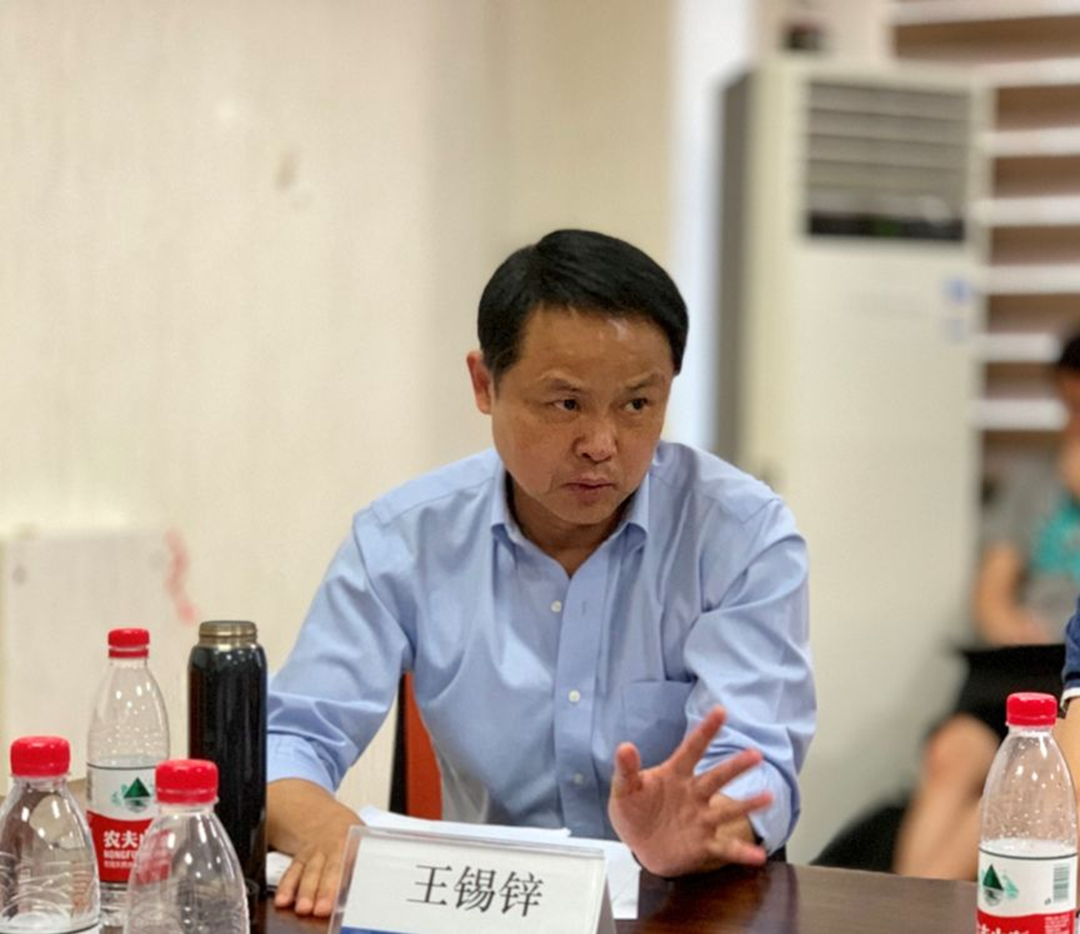
Wang Xixin,
Professor of Peking University Law School, Executive Dean of the Institute of Law and Development, Editor-in-Chief of Peking University Law Journal
Following Professor Wang Xixin’s insightful keynote speech, the seminar moved on to Session 1: Public Law and Platform Data Governance Responsibilities. In this session, three experts and scholars discussed documents including the Draft Measures for the Administration of Data Security from public law perspectives such as constitutional law and administrative law.
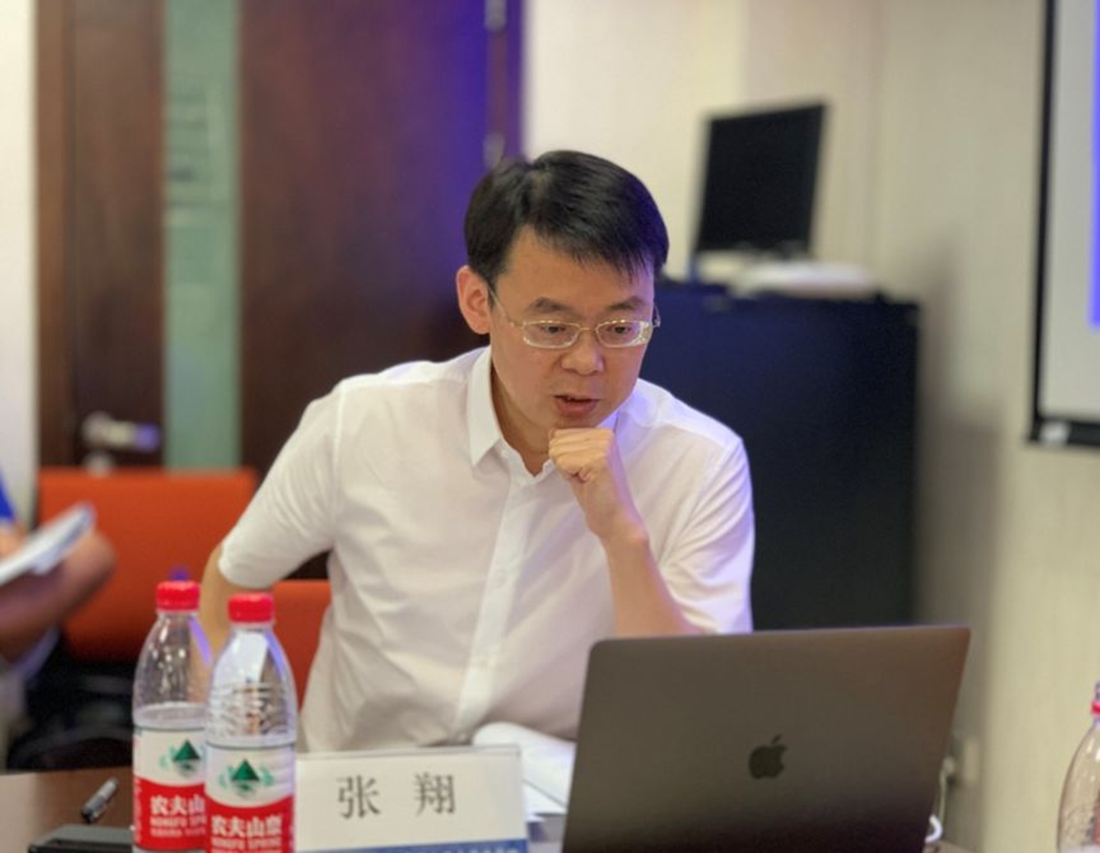
Zhang Xiang,
Professor, Vice Dean of the Renmin University of China Law School
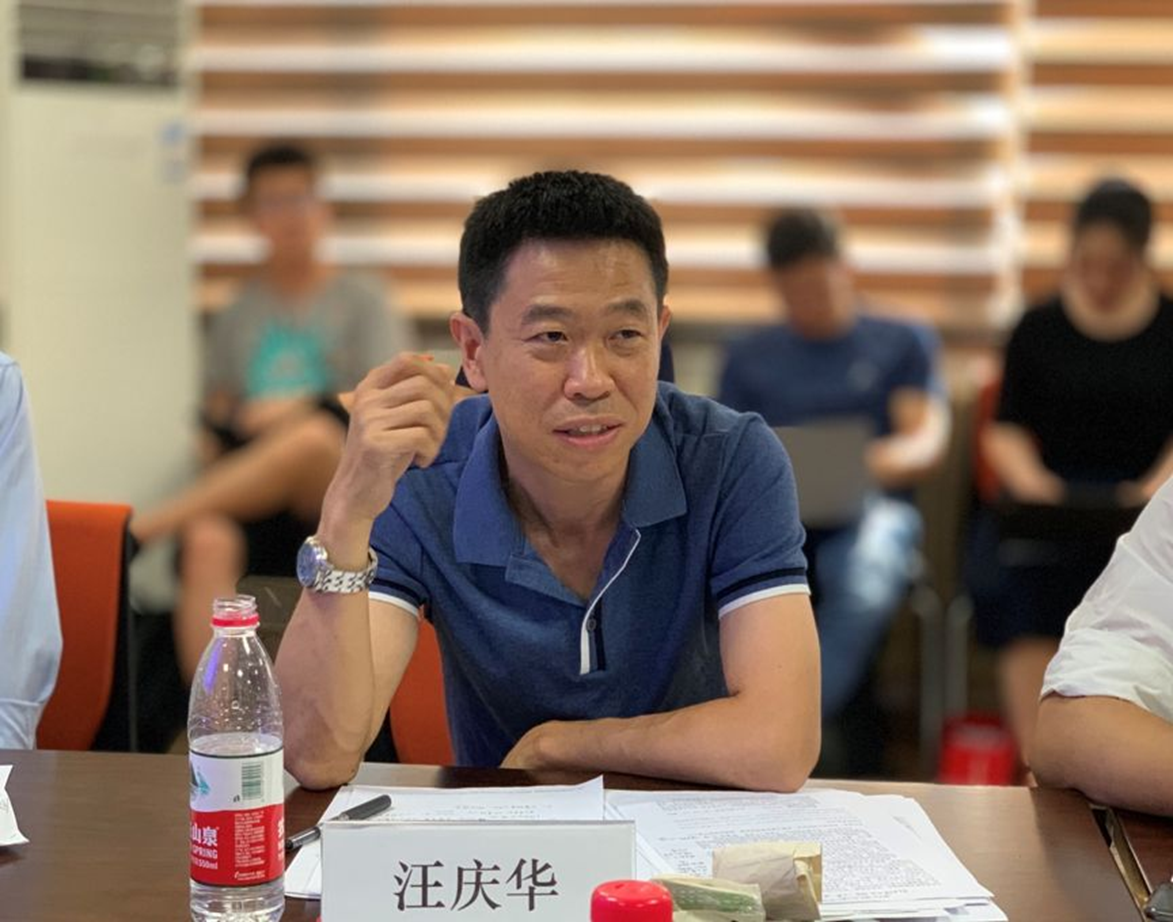
Wang Qinghua,
Professor of Beijing Normal University Law School, Director of the Center for Digital Economy and Law

Yao Jia,
Research Fellow of the Institute of Law, Chinese Academy of Social Sciences, Director of the Editorial Department of Global Law Review
During Session 2: Private Law and Platform Data Governance Responsibilities, three experts and scholars put forward suggestions on law-based data governance from the perspective of private law.
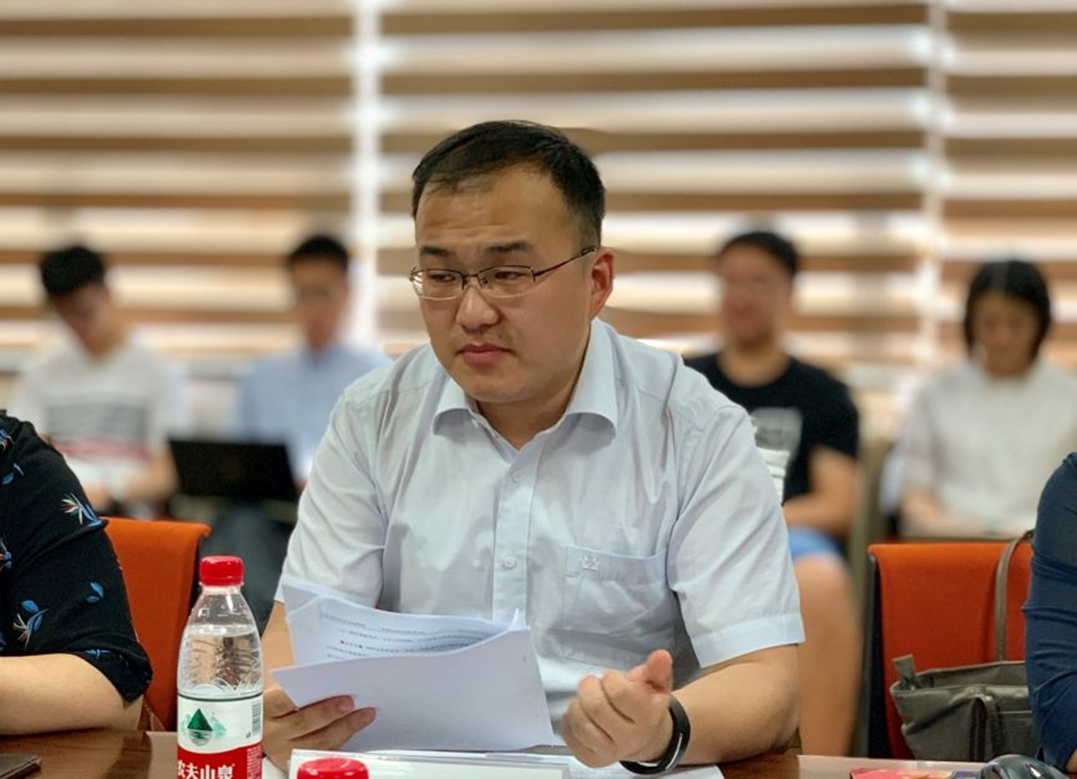
Liu Jinrui,
Associate Research Fellow of the Law Institute of China Law Society
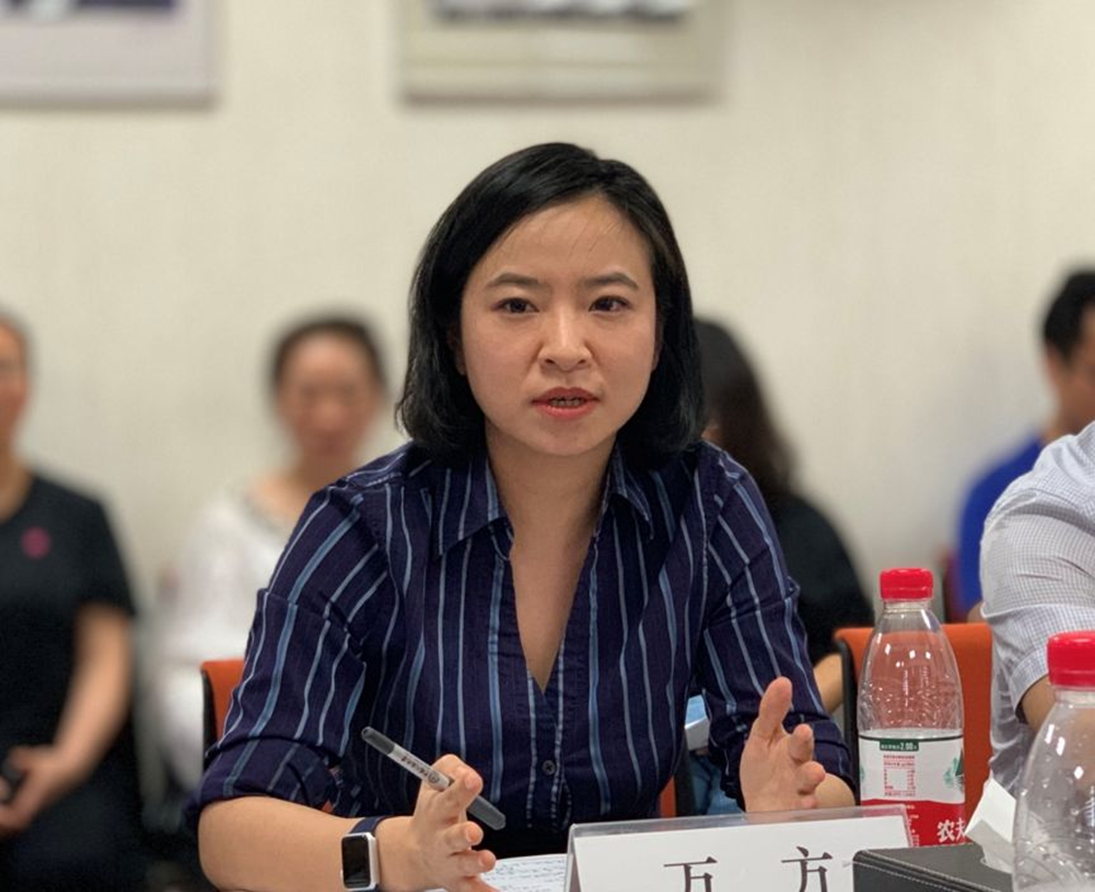
Wan Fang,
Associate Professor, Law School of Beijing Foreign Studies University

Zhu Yunyang,
Associate Professor, Minzu University of China Law School
After the discussion of Session 2 concluded, the seminar proceeded to the roundtable discussion and open floor session, which was presided over by Associate Professor Ding Xiaodong, Vice Dean of the Renmin Law and Technology Institute, Renmin University of China Law School. Drawing on their respective research fields, all participating guests conducted in-depth research and exchanges centering on the seminar’s theme of law-based governance of data.

Guo Rui,
Associate Professor of the Law School and Research Fellow of the Renmin Law and Technology Institute, Renmin University of China
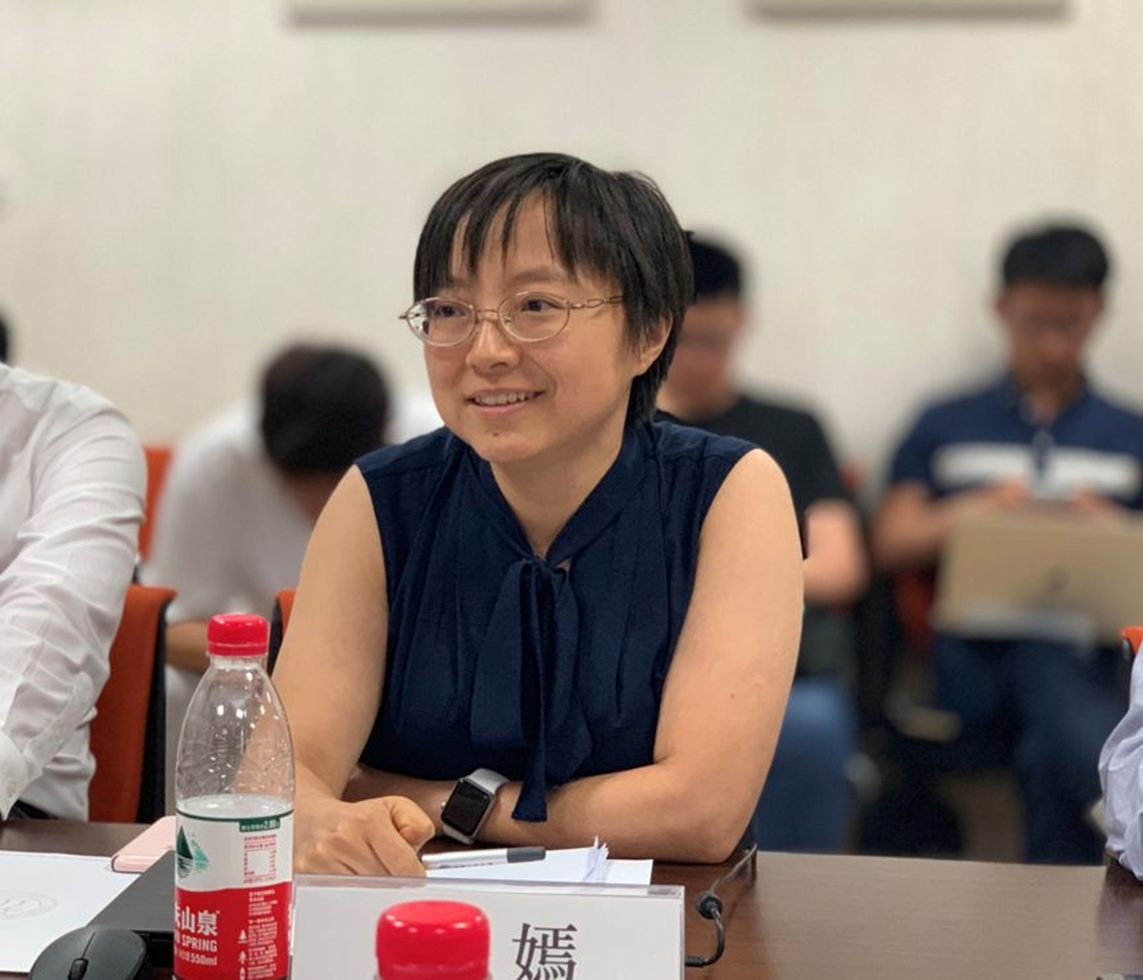
Luo Yan,
Senior Counsel at Covington & Burling LLP
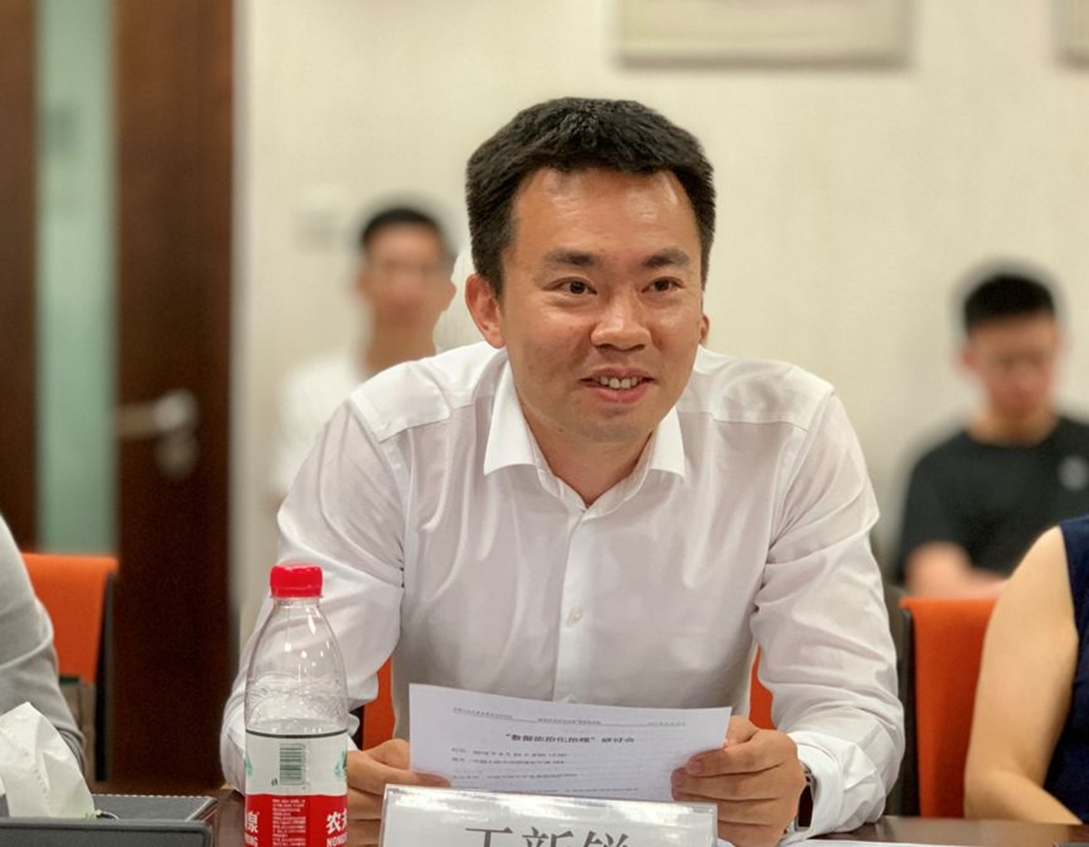
Wang Xinrui,
Senior Partner of Anli Partners

Luo Jiao,
Assistant Professor, Department of Law, China Agricultural University
At the closing of the seminar, Professor Zhang Xiang, Vice Dean of the Renmin University of China Law School, summarized the speeches delivered by all participating guests. He also put forward valuable references for the future development of law-based data governance in China, bringing the entire seminar to a successful conclusion.
Editor:Xu Liuya
Reviewer: Zhu Peiwen