
Lecture Review | Open-Source Software and Future Challenges of Artificial Intelligence
time:2019-07-08The cutting-edge lecture entitled Open-Source Software and Future Challenges of Artificial Intelligence, hosted by the Renmin Law and Technology Institute, Renmin University of China, was successfully held at Conference Room 205, Mingde Law Building, Law School of Renmin University of China at 16:00 on July 2, 2019. The event was presided over by Associate Dean Wang Ying of the Renmin Law and Technology Institute. Mr. Daniel Patnaik, General Counsel of the Product Development IT Software Department within the Legal Division of AUDI AG, Germany, delivered the keynote speech.
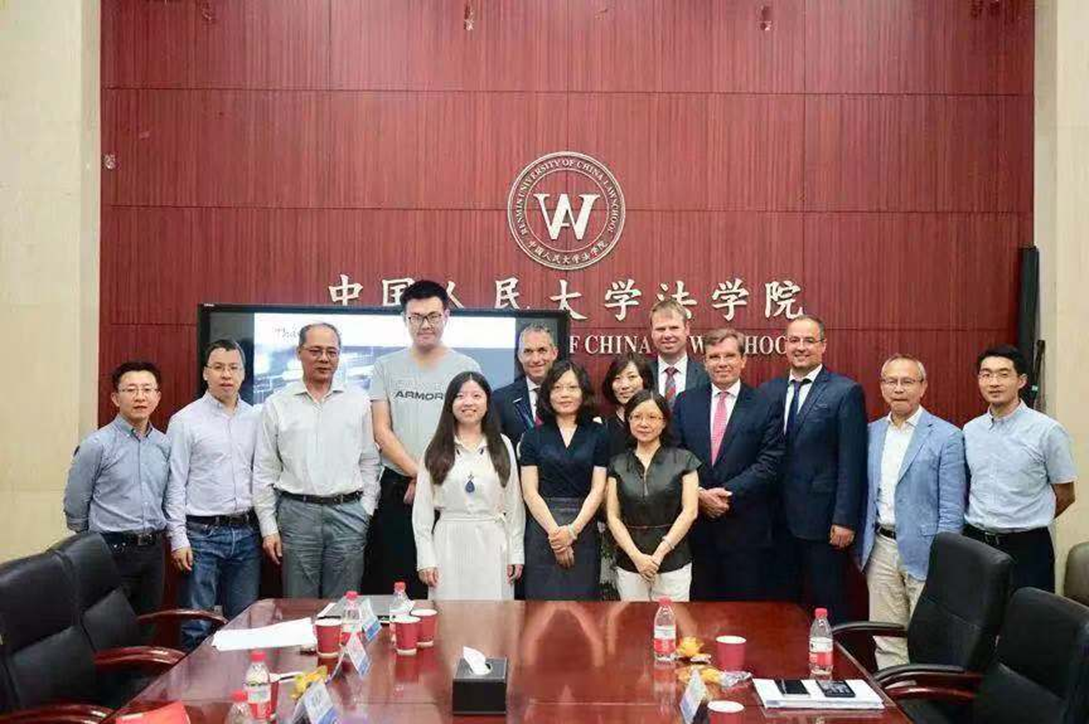
Mr. Daniel Patnaik first illustrated the origins of open-source software, its build pipeline, and the contents bundled within binary executable releases for operation, distribution and commercial sale. He further explained that binary reproducibility in the build workflow provides a straightforward mechanism to confirm that a given executable file can be reconstructed via the exact same build procedure. Even so, binary reproducibility alone yields no insight into either the functional safety or security attributes of the executable software. To build trust in such software, manufacturers must elaborate on the intended functions of the software, as well as its security policies and threat models. Security audits for open-source software are necessary not only for legal compliance but also for quality control. Security in the general sense covers two dimensions: safety and security. Safety ensures that software operates as designed, which requires adherence to applicable industry standards and cutting-edge formal methods. Security focuses on the resilience of a specific system against malicious attacks.
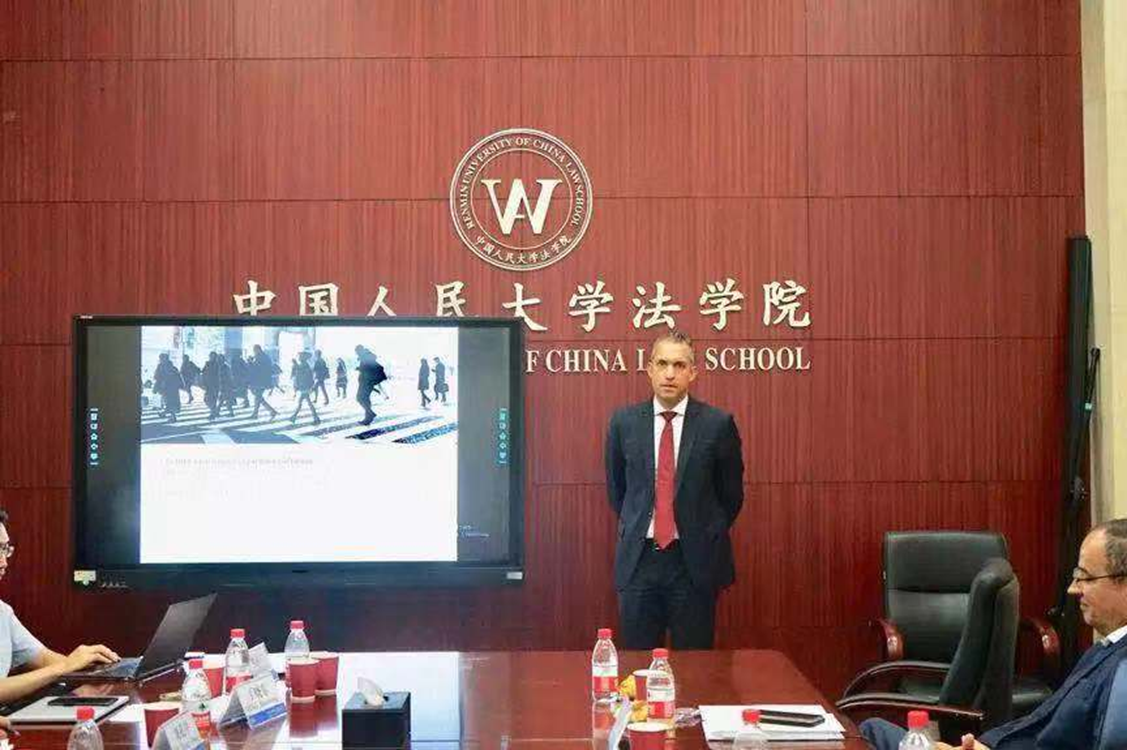
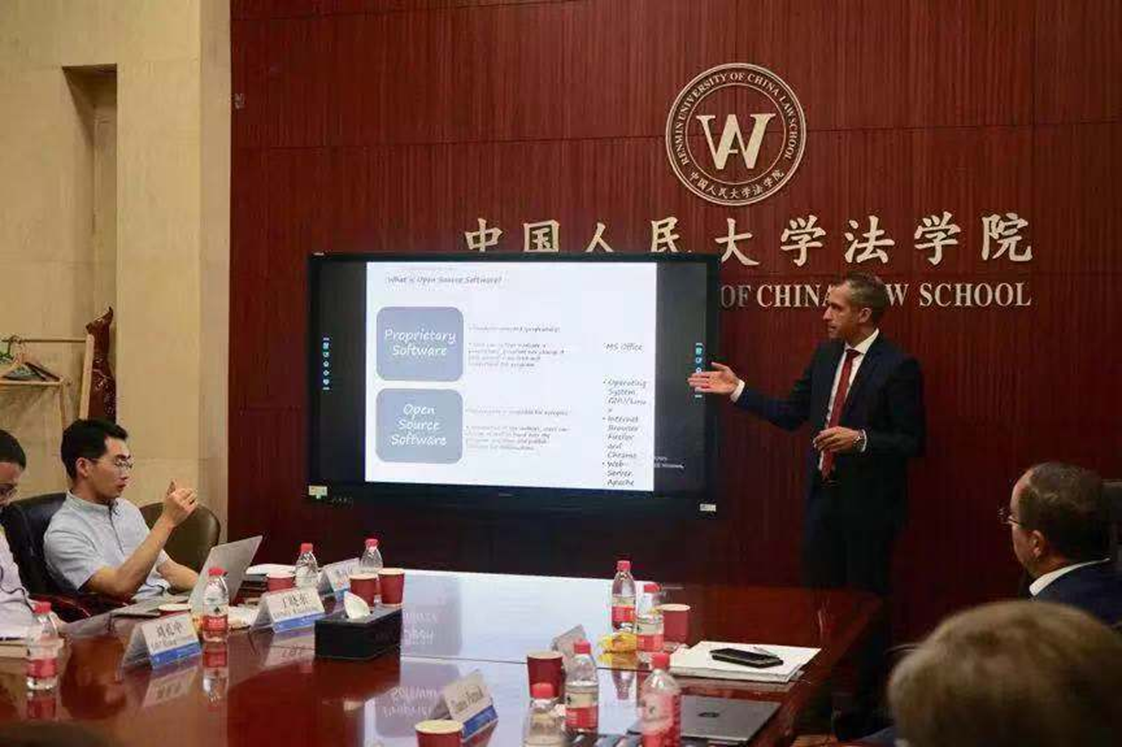
Mr. Daniel Patnaik then proceeded to elaborate on issues related to artificial intelligence
Artificial intelligence can be trustworthy. Trustworthy AI consists of three components that must be fulfilled throughout the entire system lifecycle: (1) It shall be lawful, complying with all applicable laws and regulations; (2) It shall be ethical, ensuring adherence to ethical principles and values; (3) It shall be robust. AI systems ought to be resilient both technically and socially, as they may inflict unintended harm even when developed with good intentions. Each of these three components is a necessary condition, yet none alone suffices to achieve trustworthy artificial intelligence. Ideally, the three elements operate in harmony and overlap with one another in practice.
At the end of the lecture, Mr. Daniel Patnaik expressed his expectations for exchanges and cooperation with us. He stated that they have already initiated dialogues with Chinese counterparts and underscored the significance of information sharing.
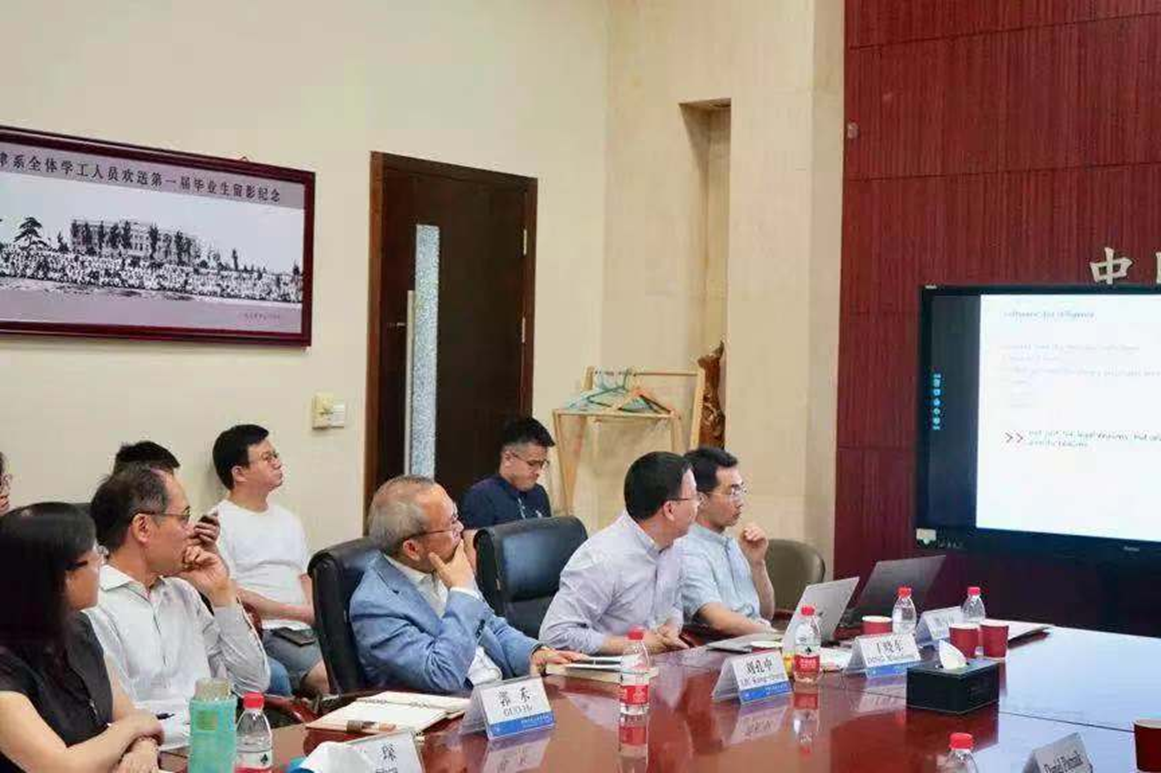
Professors Liu Kongzhong ,Guo He, Li Chen, Associate Professors Ding Xiaodong and Guo Rui, and Assistant Professor Xiong Bingwan served as commentators.
Professor Liu Kongzhong stated that autonomous driving will dominate the future of transportation, with big data playing an indispensable role in this sector. Nevertheless, the daunting regulatory and governance burden of big data may put automobile manufacturers at a disadvantage in international competition.
Mr. Daniel Patnaik responded that we should face challenges head-on. There are formidable challenges in robot manufacturing, regulation and other related areas. Customers need to understand why we require such technologies and what they are capable of achieving.
Other scholars also engaged in in-depth discussions and exchanges with Mr. Daniel Patnaik.
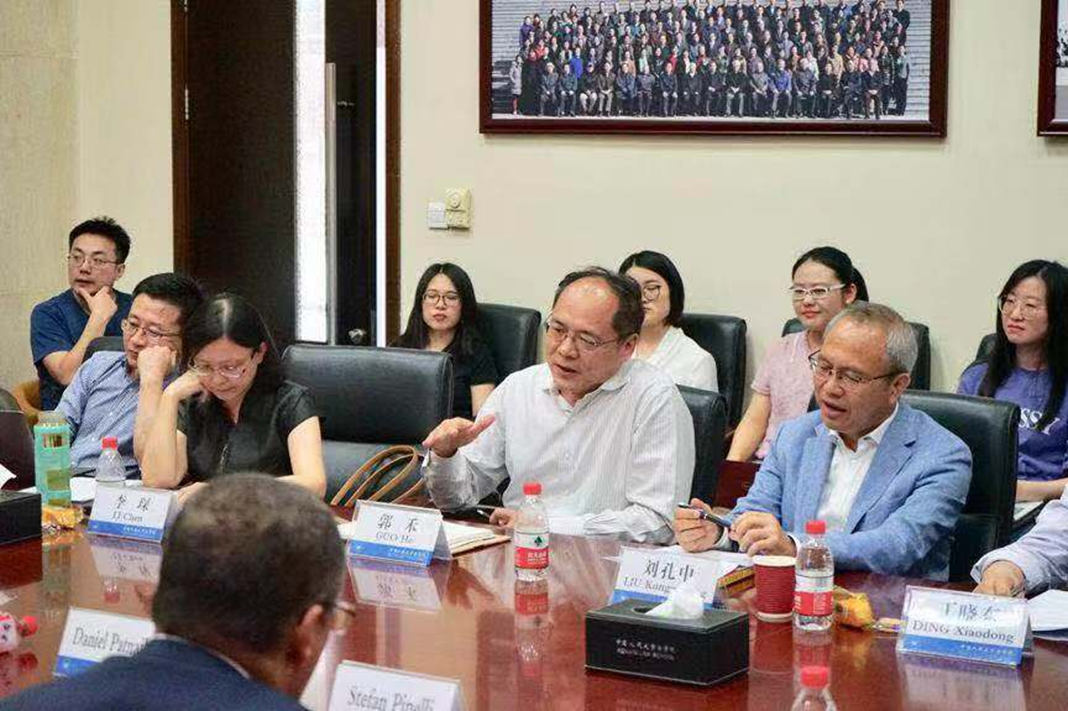
Guo He,
Professors, Renmin University of China Law School

Li Chen,
Professors, Renmin University of China Law School
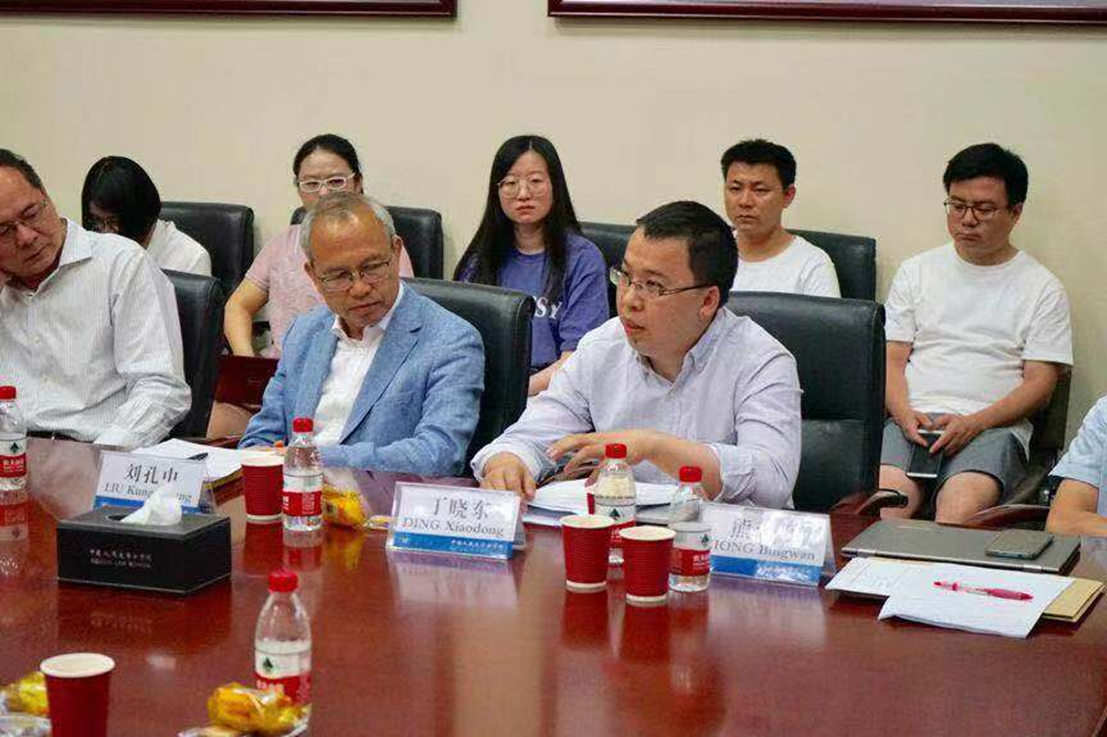
Ding Xiaodong,
Associate Professors, Renmin University of China Law School
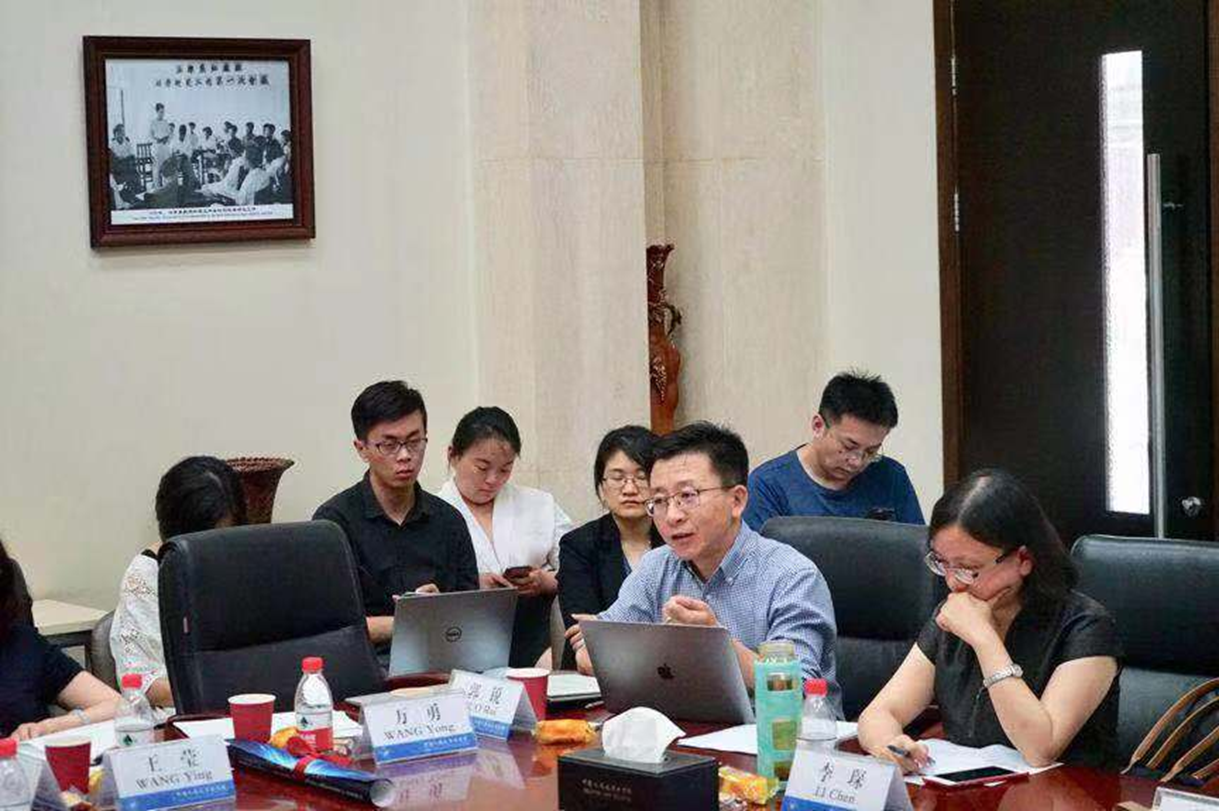
Guo Rui,
Associate Professors, Renmin University of China Law School
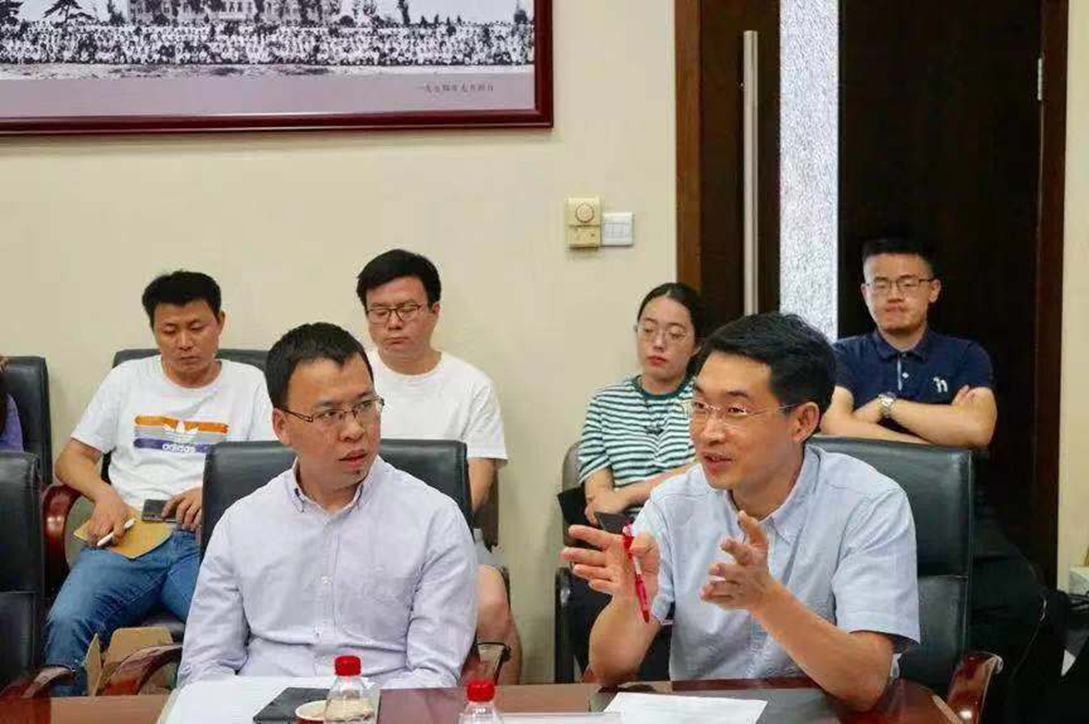
Xiong Bingwan,
Assistant Professor, Renmin University of China Law School

Editor:Xu Liuya
Reviewer: Zhu Peiwen
reading:
In the previous:Prof. Yong Lim, Associate Dean of Seoul National University, gave a lecture on Data Ownership and Competition Law The next article:Doctoral Candidates Bao Xiaoli and Bai Zhihui from Renmin University of China Law School Attend the Youth Rule of Law Forum, World Artificial Intelligence 2019