
Lecture Review | Professor Eric Hilgendorf: Criminal-Law Responses to Deepfakes—Practice and Legislative Developments in German Law
time:2026-09-30On the afternoon of September 19, 2026, the lecture “Criminal-Law Responses to Deepfakes: Practice and Legislative Developments in German Law,” hosted by the School of Law, Renmin Law and Technology Institute and co-organized by the Ministry of Education Philosophy and Social Sciences Innovation Team on “New Technological Revolution and Future Rule of Law,” was successfully held in Conference Room 501 of the Mingde Law Building. Professor Eric Hilgendorf (Prof. Dr. Dr.) of the Faculty of Law, University of Newburgh, Germany, delivered the keynote address. The discussants were Professor Liu Yanhong, Vice President of China University of Political Science and Law and Professor at its School of Criminal Justice; Professor Shi Fang of the School of Criminal Justice, China University of Political Science and Law; Dr. Huang Xiaoyan, Executive Director of the Sino-German Legal Cooperation Programme of GIZ; Associate Professor Cai Guisheng of Renmin University of China Law School; and Wang Zina, Partner at Beijing Dacheng Law Offices. Liu Chang, a doctoral candidate at the Faculty of Law, University of Würzburg, served as interpreter. The lecture was moderated by Professor Wang Ying of Renmin University of China Law School.
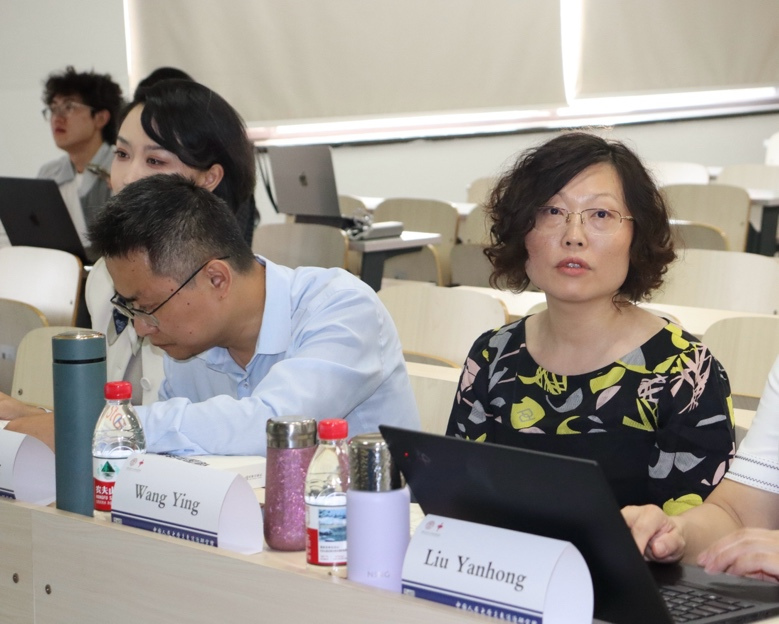
Wan Ying, Professor of Renmin University of China Law School
Professor Hilgendorf noted that the regulation of deepfakes has become a prominent legal issue in Germany. Framing his lecture around three questions—what constitutes a deepfake, where disclosure duties and prohibitions lie, and how criminal law should respond—he reviewed the EU Artificial Intelligence Act and recent German legislative proposals. The EU has not established a single, stand-alone regulatory regime for deepfakes; instead, it addresses the associated risks through transparency obligations and prohibitions under the AI Act, together with Member States’ existing criminal law. German criminal law likewise contains no offense specifically targeting deepfakes, and the need for a bespoke criminal provision remains contested.
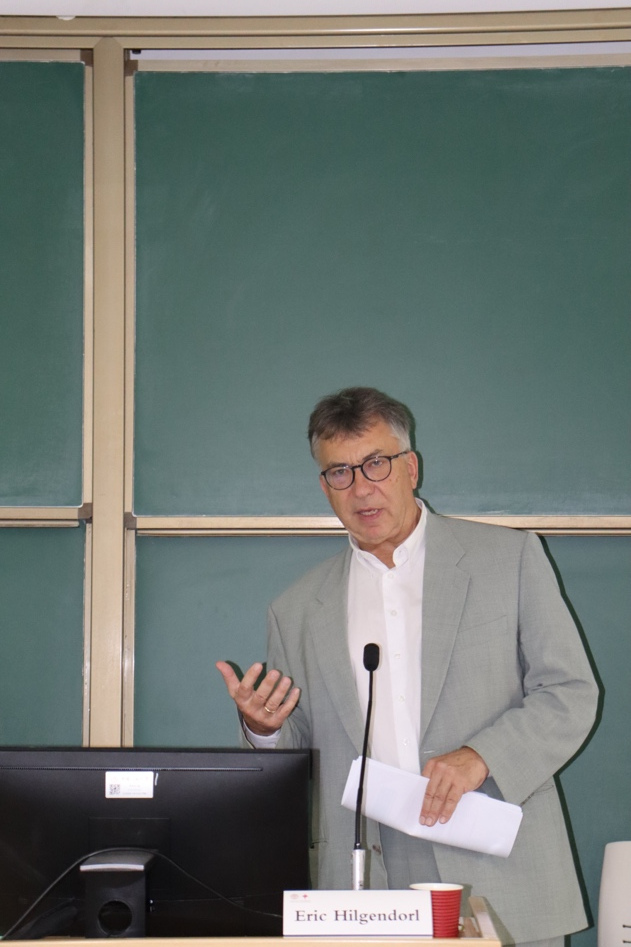
Eric Hilgendorf, Professor of the Faculty of Law, University of Newburgh
Drawing on Chinese practice, Professor Liu Yanhong observed that neither Chinese civil law nor criminal law contains provisions specifically addressing deepfakes, and that such cases typically cut across the boundary between civil and criminal law. Existing rules continue to present difficulties involving cross-border dissemination, quantitative thresholds, and the coordination of civil, administrative, and criminal liability.
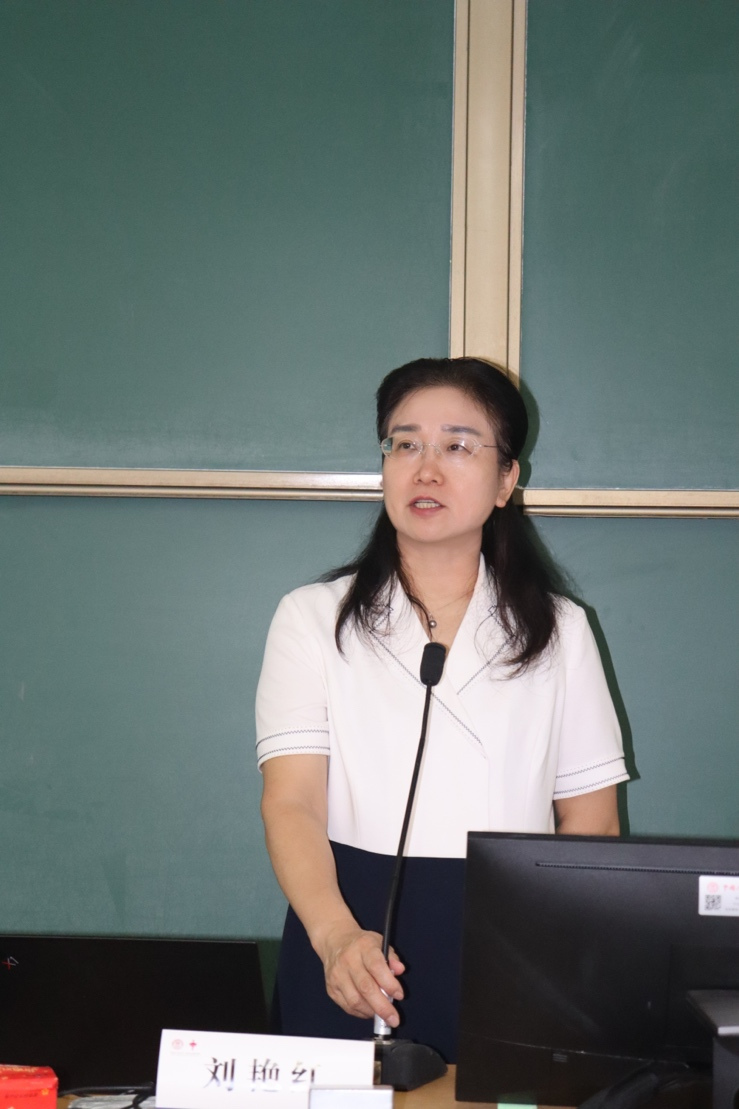
Professor Liu Yanhong, Vice President of China University of Political Science and Law and Professor at its School of Criminal Justice
Professor Shi Fang emphasized that “deep synthesis” is, in itself, a neutral technology, while deepfakes are a subset in which that technology is used for illicit or deceptive purposes. Rather than rushing to create a new criminal offense, he argued, greater attention should be paid to platform responsibility, the protection of civil rights, administrative regulation, and comprehensive governance.
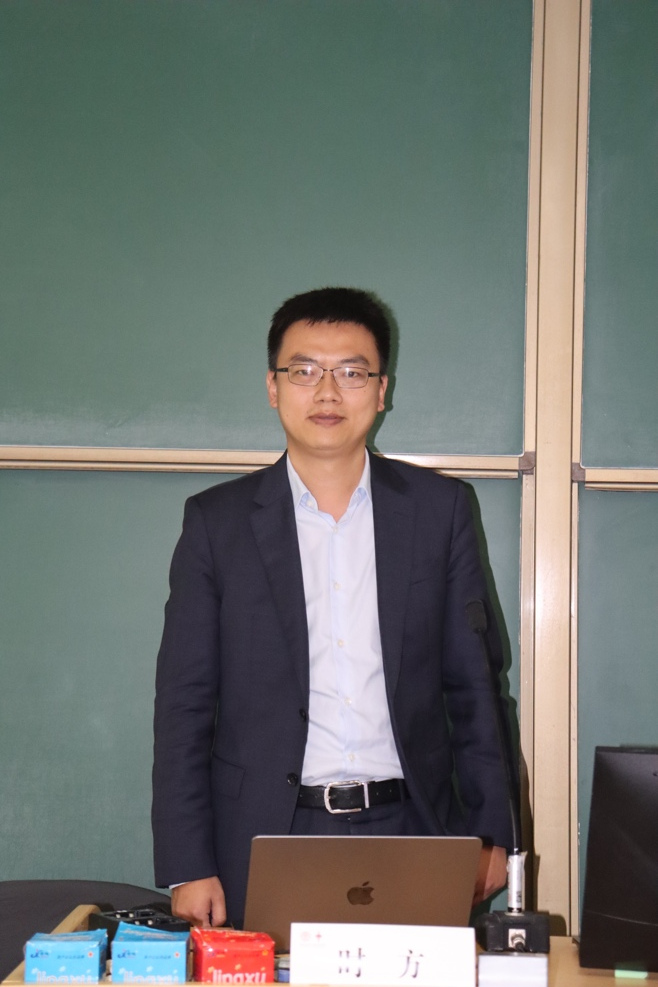
Shi Fang, Professor of the School of Criminal Justice, China University of Political Science and Law
Dr. Huang Xiaoyan stressed that “deepfake is first and foremost a technical concept, not a legal one.” Before criminal law intervenes, the specific legally protected interest harmed in a particular case must first be identified. If a new stand-alone offense is proposed, the proponent must further explain what substantive gap in punishment remains under existing law.
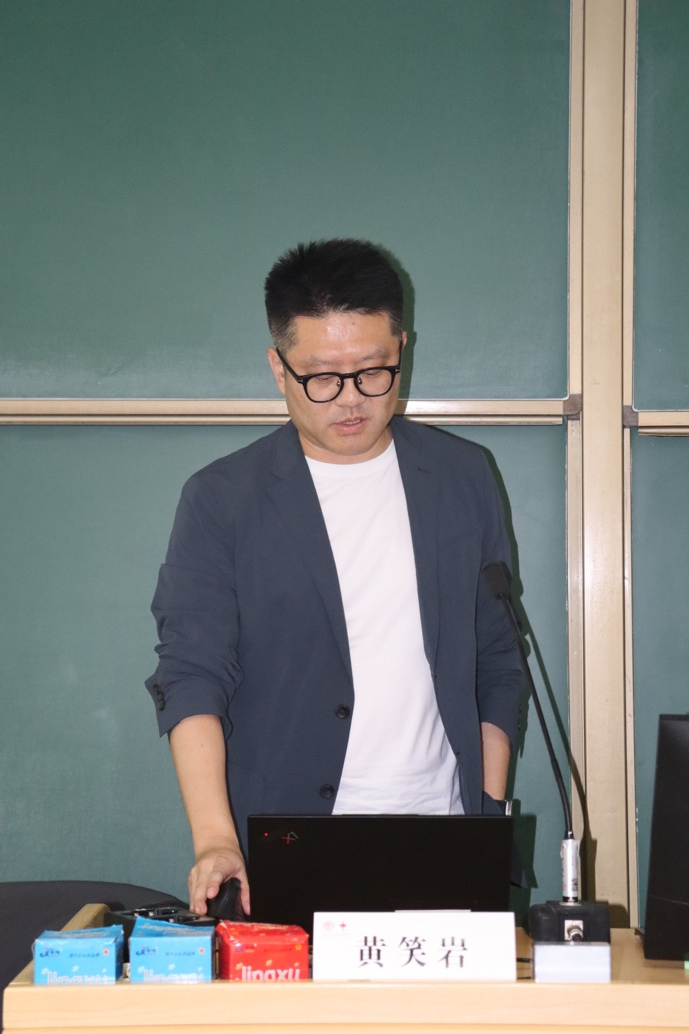
Dr. Huang Xiaoyan, Executive Director of the Sino-German Legal Cooperation Programme of GIZ
Associate Professor Cai Guisheng raised questions concerning the element of “serious damage to reputation” in the German legislative proposal, the role of justifications, and the relationship between criminal liability and damages in civil tort law. He further questioned whether the concept of “criminal wrongfulness” is necessary within the doctrinal structure of criminal liability.
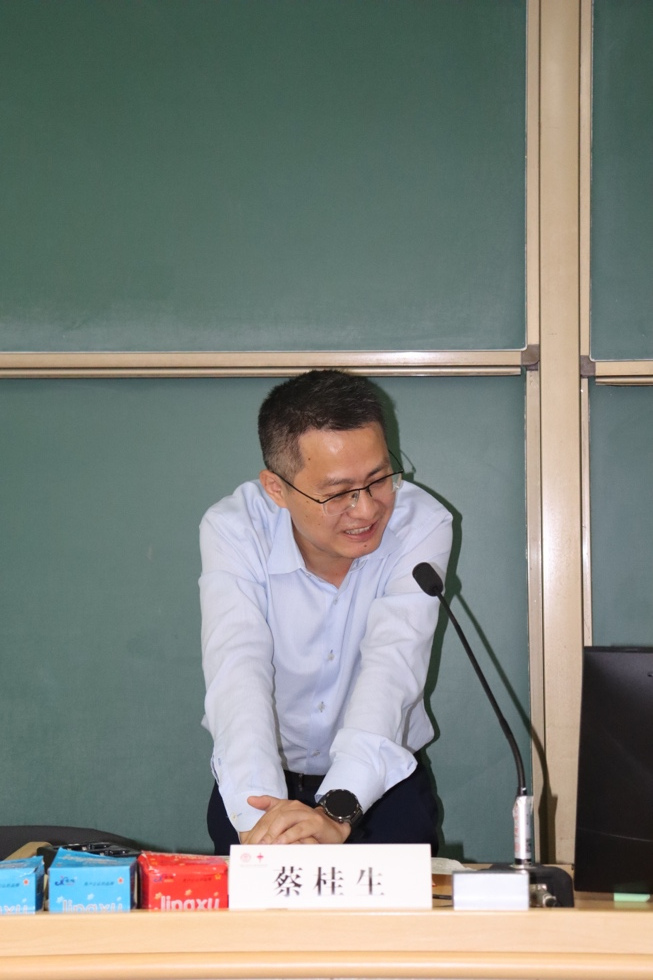
Cai Guisheng, Associate Professor of Renmin University of China Law School
Speaking from the perspective of criminal defense practice, Wang Zina expressed caution about creating new offenses. She noted that placing a person, without consent, in a fabricated context is not a problem unique to the age of deepfakes. The first question should therefore be whether the new technology creates a genuinely new form of criminal wrongfulness or merely changes the means by which existing offenses are committed.
Responding to the discussants, Professor Hilgendorf emphasized: “Criminal law must always remain the ultima ratio; it should be invoked only when other measures are clearly inadequate.” In his view, deepfakes do not necessarily require an entirely new criminal offense. A distinction should be drawn between “deepfakes as a tool” and “deepfakes as an infringement of legally protected interests,” with careful attention to interests such as reputation, sexual autonomy, and property. At the same time, the speed of generation and the sharply reduced technical barriers give deepfakes particular significance in contexts such as sexualized content and fraud.
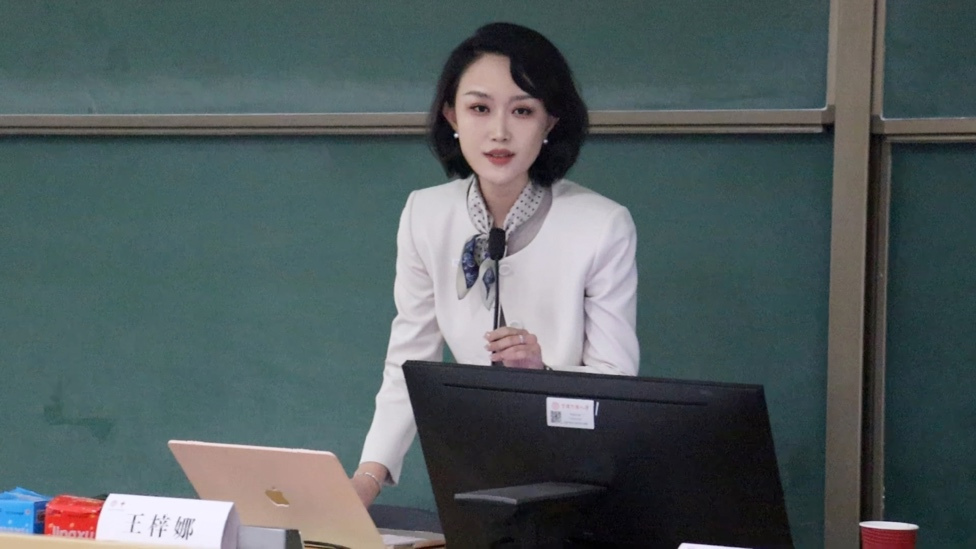
Wang Zina, Partner at Beijing Dacheng Law Offices
In her concluding remarks, Professor Wang Ying observed that the central controversy surrounding the criminal regulation of deepfakes is whether technology-enabled abuses produce a genuinely new form of legal wrong. Particular caution is required with respect to the punishability of acts consisting solely of creating or generating content, as well as the broader task of defining the boundary between the protection of legal interests and citizens’ freedom of action in the face of new technological risks.
The lecture concluded successfully to warm applause.